


Tips for women starting out in weightlifting.
Yoga and spin classes just aren’t your cup of tea? Me too!
Too bad the weights are reserved for the boys, right? Forget that. There are far too many benefits to weightlifting for a few stigmas to hold you back!
So, that’s what we’re going to do today – break down stigmas, talk about the benefits of weightlifting (for women), and provide you tips to get started!
F**K what you know…
You’ve been inside plenty of gyms; you know the typical tropes you can expect. Woman, full face of makeup barely walking on a treadmill, beefcake in a shoestring vest taking selfies, that one overly sweaty dude in really short shorts.
These are gym prerequisites I’m sure – I’m almost certain these cliches are part of the gym itself as if they come with the equipment.
Some stereotypes just make no sense though. Let’s go through them!
- “Muscular women are too manly.” I wanted to start with this one because it’s something I hear a lot. Let’s get one thing straight – every shape of woman is beautiful, including shapes that intimidate fragile masculinity. That said, women don’t get “swole” like men do because of the difference in hormones, so lifting a few days a week isn’t going to transform you into an Arnold-esque lady-man.
- “Weightlifting is for men.” So was voting and driving cars, Kyle. Weightlifting offers too many benefits to be gender-exclusive.
- “Lifting like that will make you infertile/ damage your uterus.” If there was ever a stereotype born from utter stupidity, it’s this one. Exercising is good for your body, so unless you’re lifting cars, you’ll most likely be alright.
- “How are you going to find a man if you get too big?” First, not all weightlifters are bodybuilders (there’s a clear distinction). Second, if a man is intimidated by my physique, I’m probably not impressed by his.
There are a whole lot more, but quite frankly, all of them are crap. Lifting is beneficial to both your mental and physical health. If you are getting into bodybuilding, know that you will likely hear a few of these both inside and outside the gym. Lucky for you, the only person you have to impress is you – don’t let the opinions of others deter you.

The benefits of weightlifting
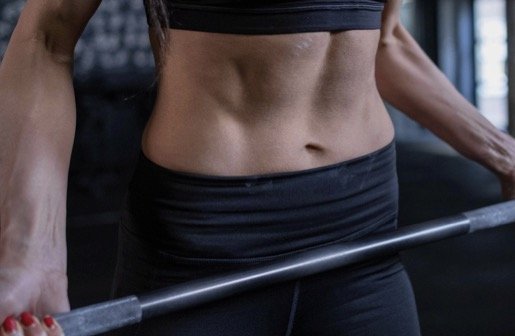
So, just what benefits can you expect from weightlifting? Let’s go through them!
- Reduced body fat. While weightlifting will add a few pounds to the scale initially, it’ll be in muscle mass. This extra muscle mass will result in better cardiovascular health and improved metabolism, which in turn helps aid weight loss.
- Improved self-image. Even body dysmorphia has a tough time fighting hard facts. Both your gains and weight loss can be tracked and measured with near-scientific accuracy, which means you have data to back up your improved self-image!
- Improved confidence. Hitting goals, sticking to a routine, and feeling healthier not only improves the way we see ourselves but also improves the way that we think of ourselves. Becoming goal-orientated badasses helps us to see just how truly awesome we are!
- Reduced risk of life-threatening disease (and illness in general). Did you know that heart disease remains one of the leading causes of death in women? Improved heart health cuts the risk of heart disease right down, while an improved overall immune system cuts down the risk of general illness.
- An improved everyday life. Strength training increases our strength (duh), but it also helps to improve joint stability and builds stronger connective tissue, all of which helps to lower fatigue from day-to-day tasks and reduce the risk of injury.
With benefits like this, it’s impossible to ignore weightlifting as one of the best ways to improve your overall health and physique.
That said, how do you get started?
My top tips for women starting out in weightlifting
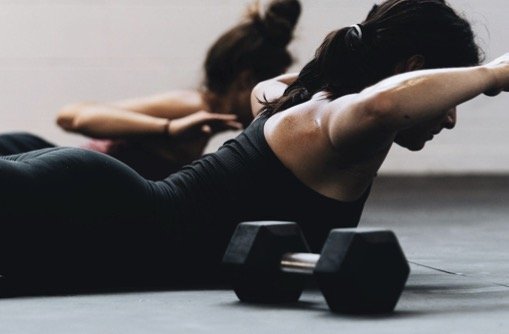
There are a ton of things you should do before hitting the gym, like choosing a workout plan that suits you, selecting a meal plan, and buying the right equipment, so before we dive into the nitty-gritty of getting started, make sure you have all of the above sorted!
Without further ado though, let’s jump into what you should do to get started with weightlifting.
- Phone a friend. For beginners, roping a friend in to come with you can really help. If your new gym buddy is a bit reluctant, there are plenty of cool gifts for weightlifters that you can buy them to sweeten the deal!
- Eat before you hit the gym. It’s never wise to go to the gym on an empty stomach. That said, it’s equally unwise to eat just as you’re walking into the free weights section. Eating at least an hour before you start working out is a good rule of thumb. If you haven’t eaten and you need a snack that won’t come back up midway through a set, bananas are a must-have. I like to carry at least a couple in my gym bag.
- Warm up before you start. Sounds obvious right? Actually, no. A scary number of weightlifting injuries are a result of poor/ no warm-ups. I make warm-ups/ warm-downs fun by adding some yoga poses to my routine.
- Start with lighter weights. I don’t mean start light and end your session off with the heaviest weights possible. I mean start light and increase weights as you progress. You may want to squat your bodyweight and maybe you can, but that might not be sustainable. Starting light reduces the risk of injury, lowers recovery time, and keeps you coming back! Seriously, start light!
- Focus on form, not reps. There is no clout in having perfect form if you can’t do 125 consecutive reps of whatever lift you’re doing, right? Nope. Any exercise regime needs to be sustainable first (as in, you keep coming back). That means safety needs to be kept at the front of mind and form is one of the best ways to make that happen!
- Get proper rest between sets. You’re midway through your workout, the music has got you in a trance, you’re invincible! You should still take a minimum of 30 seconds between sets to give your body time to rest.
- Limit your workout time. This is an area I need to work on; adding a few sets to my workout because I feel great. Unfortunately, you aren’t doing yourself any favors by doing this. Limiting your workout time helps limit recovery time. You may feel like you can do more – save it for tomorrow!
- Get Proper Rest. When you lift weights, your muscles tear on a microscopic level. Your body repairs these tears and, in turn, your muscles grow. Proper rest allows your body to make these “repairs”. Without it, your body cannot do what it needs to and you will hinder your progress. Not only this, but resting well helps keep you motivated, because workout burnout is very real!
Have you gotten into weightlifting recently? What challenges have you faced? Do you have any tips for other women getting into weightlifting?
Drop a comment and share your experience! If you have any questions for me, let’s chat – I’d love to connect with you. Until next time, happy lifting!


