

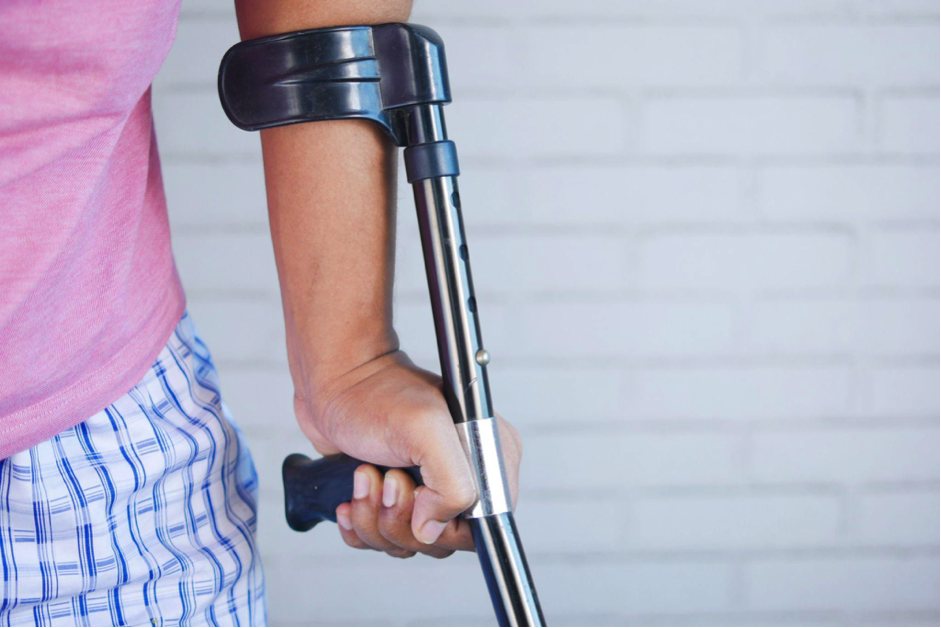
Getting Back to Fitness After Injury: The 9 Key Tips.
Getting back to fitness after an injury can be a hard task, but with the right approach and mindset, it is achievable. Injuries can leave us feeling discouraged and hesitant, but it’s essential to remember that our bodies are resilient and capable of healing. Whether you’re recovering from a sprained ankle, a muscle strain, or a more serious injury, the key to a successful comeback lies in a well-structured plan that prioritizes safety, gradual progression, and proper rehabilitation.
In this article, we’ll explore the crucial tips to help you navigate your fitness journey post-injury, allowing you to regain strength, flexibility, and confidence.
Safeguard Your Recovery with a Comprehensive Plan
The road to fitness after injury starts with a well-thought-out plan that centers around your recovery. Before diving back into your usual workout routine, consult with a healthcare professional or a qualified physical therapist. They can assess your injury, provide valuable insights, and create a personalized rehabilitation program tailored to your specific needs. This plan should focus on strengthening the injured area while also addressing any muscle imbalances or weaknesses that might have contributed to the injury.
Additionally, incorporate a balance of cardiovascular exercises to improve overall fitness without putting undue stress on the injured body part.
It’s crucial to avoid rushing the process and give your body the time it needs to heal. Overexertion or attempting exercises beyond your current capacity can lead to setbacks and reinjury. Embrace patience and trust the process, recognizing that gradual progress is key to long-term success. A progressive approach not only minimizes the risk of re-injury but also ensures that your body adapts and grows stronger over time.

Understanding Personal Injury Cases
If you’ve suffered a personal injury due to someone else’s negligence, you may be entitled to seek compensation for your damages. Personal injury cases encompass a wide range of incidents, including car accidents, slips and falls, workplace injuries, and more. When facing the aftermath of an injury, it’s essential to consider seeking legal guidance to understand your rights and options.
Talking with an experienced personal injury attorney can be the first step in seeking justice and fair compensation. A lot of attorneys give you the possibility to schedule your free consultation and discuss the details of your case. During the free consultation, the attorney will listen to your account of the incident and assess the potential strengths and weaknesses of your claim. They will ask questions to gather essential information, such as the nature and extent of your injuries, the circumstances surrounding the accident, any medical treatments you’ve undergone, and the impact the injury has had on your life.
A skilled personal injury attorney can advocate on your behalf, negotiate with insurance companies, and build a strong case to pursue the compensation you deserve for medical expenses, lost wages, pain and suffering, and other damages resulting from the injury. Remember, you don’t have to face the complexities of a personal injury case alone—schedule your free consultation today to get the support and legal representation you need to navigate your personal injury claim effectively.
Emphasize Low-Impact Exercises and Cross-Training
As you begin your journey back to fitness, it’s essential to choose exercises that are gentle on your healing body while still offering a challenge. Low-impact exercises, such as swimming, stationary cycling, or yoga, can be excellent starting points. They provide a full-body workout without putting excessive strain on your joints and muscles. Swimming, in particular, is a fantastic way to build strength, flexibility, and endurance without bearing weight on the injured area.
Cross-training is another valuable aspect of your recovery plan. Engaging in a variety of exercises can prevent boredom, improve overall fitness, and help you discover new activities you enjoy. For example, if you’re a runner recovering from a knee injury, incorporating strength training, like resistance exercises and bodyweight movements, can target key muscles to support your knees and enhance stability. Always listen to your body and make adjustments as needed to ensure you’re pushing yourself enough to progress without overdoing it.
Prioritize Rest and Recovery for Optimal Healing
In the pursuit of regaining fitness, rest and recovery are often underestimated but are just as important as the exercise itself. Adequate sleep, nutrition, and self-care play a crucial role in your body’s ability to heal and adapt to physical demands. During sleep, your body repairs damaged tissues and replenishes energy stores, vital for a speedy recovery. Aim for 7-9 hours of quality sleep each night to support the healing process.
Moreover, proper nutrition is essential for fueling your body and providing the necessary nutrients for recovery. Focus on a balanced diet rich in lean proteins, whole grains, fruits, and vegetables. Consider consulting with a registered dietitian to tailor a nutrition plan that meets your specific needs and goals.
Incorporate rest days into your workout routine to allow your muscles to recover fully. Active recovery, such as gentle stretching or walking, can also be beneficial on rest days, promoting blood flow and reducing muscle stiffness. Remember that recovery is not a sign of weakness; rather, it is a vital component of the healing process and sets the foundation for sustainable fitness progress.
Incorporate Flexibility and Mobility Exercises
Flexibility and mobility are essential aspects of fitness that are often overlooked but are particularly crucial during the recovery phase. Including dedicated stretching and mobility exercises in your routine can help improve joint range of motion, reduce muscle tightness, and prevent future injuries. Yoga and Pilates are excellent choices for enhancing flexibility while also providing strength and balance benefits. Additionally, dynamic stretching before your workouts can prepare your muscles for the physical demands, reducing the risk of strain or sprains.
Focus on exercises that target the injured area as well as the surrounding muscles. Gradually increasing your flexibility and mobility can enhance your overall performance and comfort during workouts. As your injury heals, you’ll notice increased ease of movement, and you’ll be better equipped to handle more intense exercises safely.
Set Realistic Goals and Celebrate Progress
As you work your way back to fitness after an injury, set realistic and achievable goals for yourself. Celebrate every step forward, no matter how small, as it represents progress on your journey. Acknowledge that recovery might not be linear, and there may be ups and downs along the way. By focusing on the positive and staying persistent, you’ll maintain a positive mindset and be more motivated to continue pushing forward.
Celebrate your achievements, both big and small, to boost your confidence and reinforce your commitment to your fitness journey. Keep a journal or use a fitness app to track your progress, such as increased endurance, improved flexibility, or reaching specific weightlifting milestones. By recognizing your growth, you’ll cultivate a sense of accomplishment that will fuel your determination to keep going.

Recovering from an injury and regaining fitness requires careful planning, dedication, and a patient approach. Seeking professional guidance, listening to your body, and setting realistic goals are crucial steps in the process. Gradually increasing the intensity of your workouts and incorporating warm-up and cool-down practices will facilitate a safe and sustainable journey to improved fitness. Remember, each step forward, no matter how small, brings you closer to your desired fitness level. Embrace the process, stay positive, and celebrate your progress as you rebuild strength, flexibility, and confidence on your path to a healthier, fitter you.


